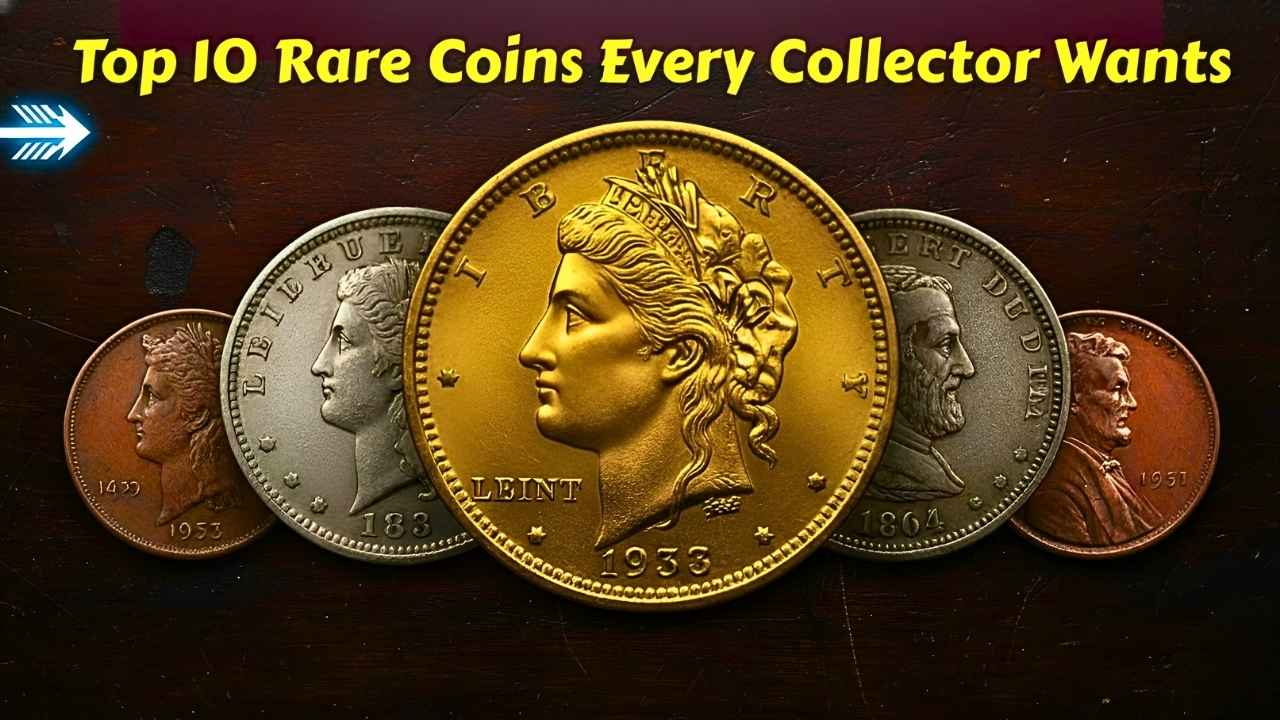
Top 10 Rare Coins Every Collector Wants: Coin collecting is one of the oldest and most rewarding hobbies in the world. Coins are not just pieces of metal used for trade, they are miniature works of art that carry history, culture, and sometimes mystery. For collectors, rare coins represent the pinnacle of the hobby. They are treasures that combine scarcity, beauty, and value. The thrill of discovering or owning a coin that few others possess is what keeps collectors searching through change, attending auctions, and studying numismatic history.
Why Rare Coins Are So Valuable
The value of a coin is determined by several factors including rarity, condition, demand, and historical significance. Coins produced in limited numbers or with unique minting errors are often the most sought after. Condition plays a crucial role as well, with coins in pristine, uncirculated states commanding far higher prices than those that show wear. Demand from collectors and investors also drives value, especially for coins tied to important historical events.
1909-S VDB Lincoln Wheat Penny
This penny is one of the most famous coins in American numismatics. Minted in San Francisco with the initials of designer Victor David Brenner, only a limited number were produced before the initials were removed. Its rarity and historical significance make it a must-have for serious collectors.
1933 Saint-Gaudens Double Eagle
Considered one of the most beautiful coins ever minted, the 1933 Double Eagle is legendary. Most of these coins were melted down due to changes in monetary policy, leaving only a handful in existence. When one appears at auction, it commands millions of dollars.
1913 Liberty Head Nickel
Only five examples of this coin are known to exist, making it one of the rarest in American history. Its mysterious origins and extreme scarcity have made it a centerpiece of numismatic lore. Collectors dream of owning one, though they rarely appear on the market.
1794 Flowing Hair Silver Dollar
This coin is believed to be the first silver dollar struck by the U.S. Mint. Its historical importance and rarity make it one of the most valuable coins ever produced. High-grade examples have sold for record-breaking sums at auction.

1804 Draped Bust Silver Dollar
Known as the “King of American Coins,” the 1804 Dollar is one of the most famous rarities. Although dated 1804, most were actually struck decades later as presentation pieces. With only a few dozen known, it remains a prized possession for elite collectors.
1943 Copper Penny
During World War II, pennies were supposed to be struck in steel to conserve copper for the war effort. A few were mistakenly struck in copper, creating one of the most famous error coins. These pennies are worth tens of thousands of dollars or more depending on condition.

1870-S Seated Liberty Dollar
This coin is shrouded in mystery, as it was not officially recorded in mint documents. Only a handful exist, making it one of the rarest silver dollars. Its scarcity and historical intrigue make it a highly desirable coin.
2000 Sacagawea Dollar Cheerios Variety
This modern rarity was distributed in Cheerios cereal boxes as a promotion. The coins feature a unique reverse design with enhanced detail on the eagle’s tail feathers. Collectors prize them for their unusual origin and limited availability.
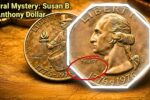
1955 Double Die Lincoln Cent
This coin is famous for its dramatic doubling on the date and lettering. It is one of the most popular error coins among collectors. Even in circulated condition, it commands significant value, while uncirculated examples are worth thousands.
1787 Brasher Doubloon
Struck by goldsmith Ephraim Brasher, this coin is one of the earliest and most valuable American gold coins. Its rarity and historical significance make it a centerpiece of numismatic collections. When one appears at auction, it often sells for millions.
How To Identify Rare Coins
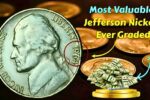
Collectors often wonder how to tell if a coin is rare and valuable. Careful observation is key. Look for unusual mint marks, dates, or errors. Coins with low mintage numbers or unique characteristics are often the most valuable. Condition is critical, so coins that appear uncirculated or show minimal wear are worth far more. Professional appraisal and grading can provide definitive answers.
The Role of Coin Grading
Grading services evaluate coins based on their condition, authenticity, and rarity. A coin graded at the highest levels, such as Mint State 70, can command extraordinary prices. Without grading, it is difficult to establish the true worth of a coin, especially when dealing with potential rarities worth thousands or millions.

Stories of Incredible Discoveries
There are countless stories of people stumbling upon rare coins in unexpected places. Some have found valuable coins in old collections, inherited from relatives, or even in circulation. These tales fuel the excitement and hope that anyone could discover a coin worth a fortune. The thrill of discovery is part of what makes coin collecting such a captivating hobby.
The Market for Rare Coins
The coin collecting market is vast and dynamic. Rare coins attract attention not only from collectors but also from investors. Auctions often see fierce bidding wars for such treasures, driving prices higher. The market is influenced by factors such as rarity, demand, historical significance, and condition. For those who own rare coins, the market offers opportunities to turn a small piece of metal into a life-changing sum of money.
Misconceptions About Rare Coins
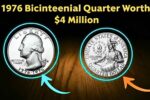
With stories of valuable coins circulating, misconceptions are common. Many people believe that every old coin is worth a fortune, which is not true. The vast majority of coins are common and hold only sentimental or modest collector value. Another misconception is that rarity alone guarantees high value. In reality, condition, demand, and provenance also play significant roles.
Tips for Aspiring Collectors
If you are intrigued by the idea of owning rare coins, there are practical steps you can take to begin your journey. Start by learning about coin history and designs. Familiarize yourself with mint marks, errors, and grading standards. Join coin clubs or online communities where enthusiasts share knowledge and experiences. Visit coin shows and auctions to see rare coins firsthand. Most importantly, handle coins with care and store them properly to preserve their condition.

The Cultural Significance of Rare Coins
Beyond their monetary value, rare coins hold cultural importance. They remind us of pivotal moments in history and the craftsmanship of earlier eras. Coins like the 1933 Double Eagle or the 1794 Silver Dollar are not just collectibles, they are symbols of national heritage. Even today, these coins evoke nostalgia and pride, making them cherished treasures for families and collectors alike.
Conclusion
The top 10 rare coins every collector wants are more than just pieces of metal. They are symbols of history, rarity, and the enduring fascination with collecting. While most coins are common, the possibility of finding one of the rare treasures keeps the excitement alive. By learning how to identify valuable coins, understanding the role of grading, and appreciating their cultural significance, collectors and enthusiasts can deepen their connection to this remarkable hobby. Whether you are searching through your change or building a serious collection, rare coins remind us that sometimes extraordinary value can be hidden in the most ordinary places.