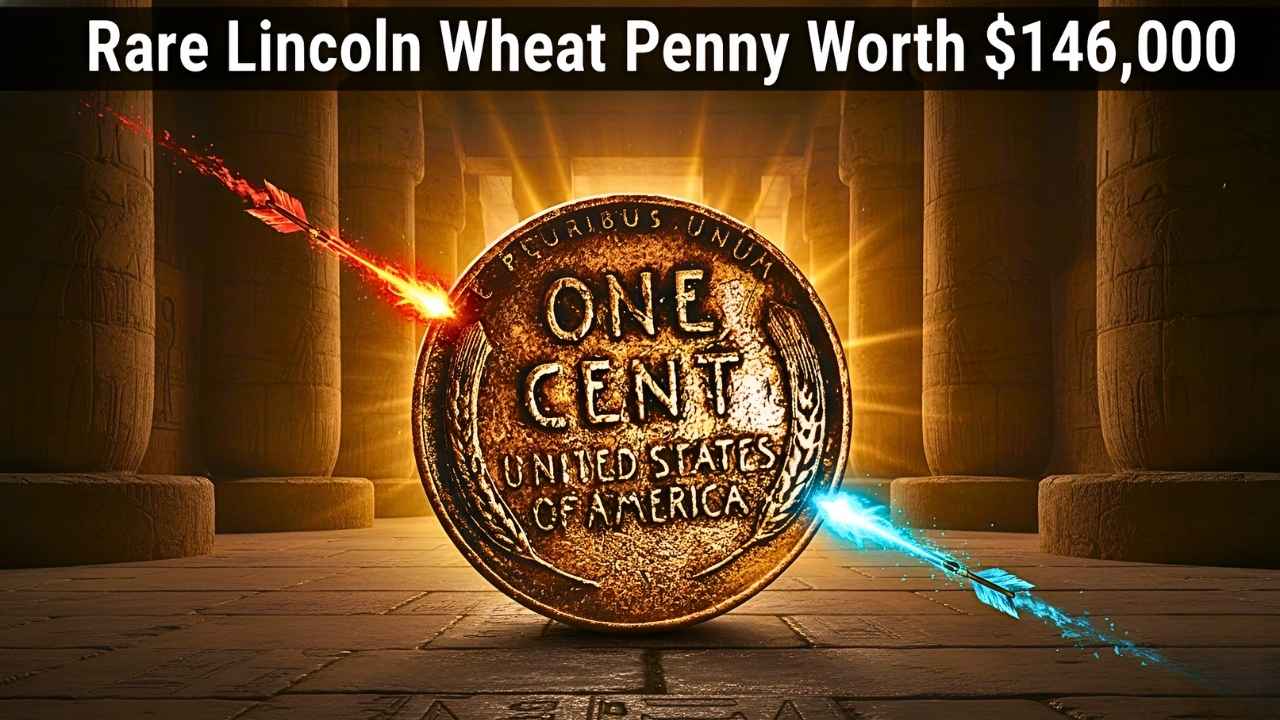
Rare Lincoln Wheat Penny Worth $146,000: The Lincoln Wheat Penny is one of the most recognizable coins in American history. First minted in 1909, it was produced for nearly fifty years and circulated through some of the most important moments in the nation story. While millions of these pennies were made, a small number have become extremely valuable over time. One particular Lincoln Wheat Penny has captured public attention for being worth as much as 146,000 dollars. This surprising value has encouraged people everywhere to take a closer look at the coins in their pockets, jars, and old collections.
What Makes a Lincoln Wheat Penny Valuable
Not every Wheat Penny is valuable, and most are still worth only a few cents. The ones that command high prices do so because of a combination of rarity, historical context, minting errors, and condition. Some pennies were produced in very limited quantities, while others were made with mistakes that were never meant to leave the mint. Over the years, many were lost or worn down, leaving only a handful of high quality examples available today. These factors together can turn a simple one cent coin into a collector dream.
The Penny Linked to the 146,000 Dollar Value
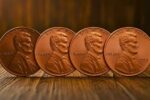
The Lincoln Wheat Penny often associated with values around 146,000 dollars is typically a rare date and mint mark combination or a significant mint error. One example includes the 1914 D Wheat Penny, which was produced in relatively low numbers at the Denver Mint. Another example could be a high grade 1943 bronze penny or a doubled die variety that displays strong and visible doubling. When these coins are preserved in exceptional condition, collectors are willing to pay remarkable prices to own them.
Understanding Dates and Mint Marks
When checking your pocket change or old coin stash, the date is the first detail to examine. Look for key years such as 1909, 1914, 1922, 1931, and 1943. After the date, inspect the mint mark, which appears just below the year on the front of the coin. A D indicates the Denver Mint, an S represents San Francisco, and no mint mark means the coin was struck in Philadelphia. Certain date and mint mark combinations are far rarer than others and can dramatically increase a penny value.
The Role of Minting Errors
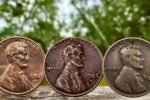
Minting errors are among the most exciting discoveries for coin collectors. These errors occur when something goes wrong during the production process. Examples include double die strikes where parts of the design appear doubled, off center strikes where the image is misaligned, and pennies struck on the wrong metal. These mistakes were not intentional, and most were caught before circulation. The few that escaped are now highly prized. A clear and well preserved error Wheat Penny can easily be worth tens of thousands of dollars.
Why Condition Matters So Much
Condition plays a critical role in determining a coin value. Collectors use a grading scale that ranges from heavily worn to mint state. A penny with sharp details, original color, and minimal wear is far more desirable than one that has been scratched, cleaned, or damaged. Even a rare Wheat Penny can lose most of its value if it is in poor condition. This is why it is important to handle old coins carefully and avoid cleaning them, as cleaning can permanently reduce their worth.
Simple Ways to Examine Your Pennies
You do not need advanced tools to begin checking your coins. Start by placing them under good lighting and using a magnifying glass if possible. Look closely at the date, mint mark, and overall design. Check for unusual features such as doubling on the letters or numbers, missing details, or strange coloring. For 1943 pennies, a magnet test can help determine whether the coin is steel or bronze. These simple steps can help you identify whether a penny deserves further attention.
The Importance of Professional Evaluation
If you believe you have found a valuable Lincoln Wheat Penny, professional evaluation is essential. Coin grading services can authenticate the coin and assign it an official grade, which greatly influences its market value. Authentication also protects you from counterfeit coins, which do exist in the world of rare collectibles. A professionally graded penny is far easier to sell and often commands a higher price than one that has not been verified.
Real Life Discoveries That Inspire Collectors
Many valuable Wheat Pennies have been discovered by ordinary people. Some were found in loose change, while others came from old family collections passed down through generations. These stories are part of what makes coin collecting so exciting. They remind us that history can hide in plain sight and that valuable artifacts do not always come from museums or auctions. While finding a 146,000 dollar penny is rare, the possibility keeps collectors and casual searchers motivated.
The Historical Appeal of Lincoln Wheat Pennies
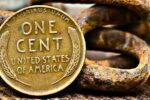
Beyond their monetary value, Lincoln Wheat Pennies hold deep historical significance. They were the first American coins to feature a real person and were minted during times of economic hardship, war, and recovery. Each penny represents a small piece of the past, reflecting the era in which it was made. This connection to history adds emotional and cultural value that goes beyond dollars and cents.

Why You Should Always Check Your Pocket Change
In today digital world, physical coins often go unnoticed. Many people spend their change without a second thought. However, taking a moment to inspect your pennies can be both fun and rewarding. Even if you never find a six figure coin, you might discover a piece of history that sparks a new interest or hobby. Coin collecting is accessible to everyone and begins with curiosity.
Final Thoughts on Finding a 146,000 Dollar Penny
The idea that a Lincoln Wheat Penny could be worth 146,000 dollars is both thrilling and inspiring. While such finds are rare, they are not impossible. By learning what to look for, paying attention to details, and treating old coins with care, anyone can take part in the search. The next time you hear the jingle of coins in your pocket, remember that one of them might be far more valuable than it appears.