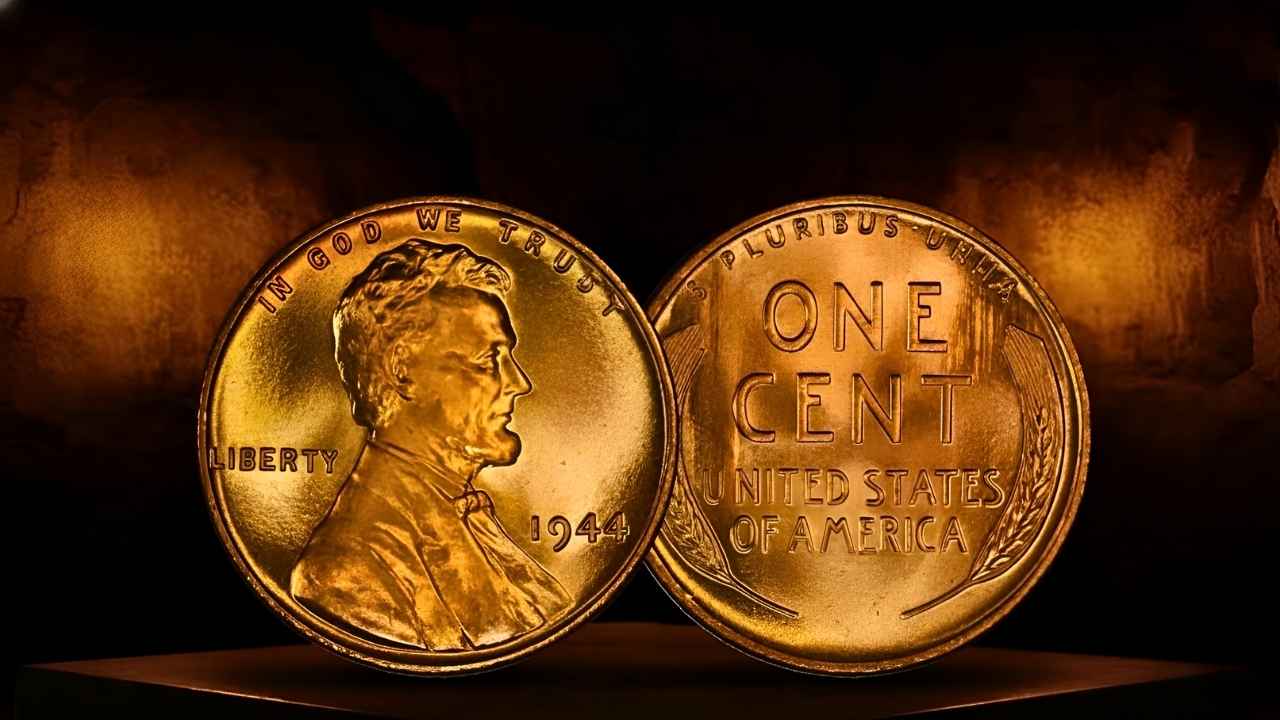
Lincoln Wheat Penny Value Trends: Over the past ten years, the Lincoln Wheat Penny has experienced notable shifts in value, interest, and collector demand. Once considered a modest collectible, this historic coin has gained renewed attention from both seasoned numismatists and new collectors. Changes in market behavior, economic conditions, and public awareness have all played a role in shaping how Wheat Pennies are valued today.
Reviewing a decade of trends offers insight into why some Wheat Pennies have surged in price while others have remained stable. It also helps collectors understand what to expect in the future.
Background of the Lincoln Wheat Penny Market
The Lincoln Wheat Penny was minted from 1909 to 1958 and has long been a foundation of American coin collecting. For decades, most examples circulated freely and were saved in large quantities. As a result, many common dates remained affordable for a long time.
However, the market began to shift as collectors became more focused on condition, scarcity, and historical context. Over the last decade, this shift has become more pronounced, especially as coin collecting expanded beyond traditional hobbyists.
Early Decade Trends and Market Stability
At the beginning of the last decade, Wheat Penny values were relatively stable. Common dates in average condition sold for modest premiums, often just a few cents above face value. Key date coins such as the 1909 S VDB and the 1914 D already commanded higher prices, but growth was gradual.
During this period, the market was driven mainly by long time collectors completing sets. Prices reflected steady demand rather than speculation.

Rising Interest from New Collectors
Midway through the decade, interest in Lincoln Wheat Pennies began to rise. Online communities, educational content, and increased accessibility to price information brought new collectors into the hobby.
Many beginners started by searching through old change or inherited collections, which increased demand for entry level coins. This new wave of collectors helped push prices upward, especially for better condition examples.
Coins that were once overlooked became more desirable simply because more people were paying attention.
Impact of High Profile Auction Sales
High profile auction results played a significant role in shaping value trends. When rare Wheat Pennies achieved strong prices at auction, it attracted headlines and public curiosity.
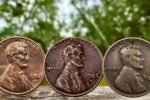
These sales reinforced the idea that even small coins could hold substantial value. As a result, collectors began to focus more on quality and rarity rather than just completing sets.
Over time, this mindset increased demand for certified and well preserved Wheat Pennies.
Condition Sensitivity Over the Decade
One of the clearest trends has been the growing importance of condition. Over the last ten years, the value gap between worn coins and high grade examples has widened considerably.
Coins with sharp details, original surfaces, and minimal wear have appreciated faster than heavily circulated examples. Collectors increasingly prefer coins that have been professionally graded, as grading provides confidence and market consistency.
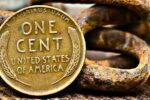
This shift has rewarded collectors who preserved their coins carefully or invested in higher quality pieces early on.
Key Dates and Error Coins Performance
Key date Lincoln Wheat Pennies have shown steady growth throughout the decade. Coins like the 1909 S VDB, 1914 D, and 1922 no D have consistently increased in value due to limited supply and ongoing demand.
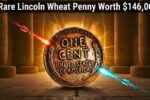
Error coins have seen even more dramatic trends. Doubled dies, off metal strikes, and other unusual errors have attracted strong interest, often outperforming standard issues.
Collectors have become more educated about errors, which has led to increased competition and higher prices.

Economic Factors and Coin Values
Broader economic conditions have also influenced Wheat Penny values. During periods of economic uncertainty, tangible assets like rare coins often gain appeal.
Over the past decade, some investors turned to collectibles as alternative stores of value. This helped support higher prices for rare and historically significant coins.
While Wheat Pennies are generally more affordable than gold coins, their historical appeal has made them attractive during uncertain times.
Role of Certification and Authentication
Certification has played an increasingly important role in value trends. Ten years ago, many Wheat Pennies traded raw without professional grading.
Today, certified coins often command a premium. Buyers are more willing to pay higher prices when authenticity and condition are confirmed by a trusted grading service.
This trend has encouraged collectors to submit better coins for grading, further shaping the market.
Modern Collectors and Digital Influence
Digital platforms have transformed how collectors buy and sell coins. Online marketplaces and auctions have made it easier to compare prices and track trends.
This transparency has led to more efficient pricing but also increased competition. Rare Wheat Pennies now reach a global audience, which supports higher values.
The last decade has shown that online exposure can significantly influence demand and perception.
Common Wheat Pennies Value Outlook
While rare coins have gained the most, common Wheat Pennies have also seen modest appreciation. Coins from the 1940s and 1950s in circulated condition remain affordable but are no longer considered worthless.
Collectors increasingly appreciate these coins for their historical charm rather than investment potential alone.
This steady baseline demand helps maintain overall market health.
What the Last Decade Teaches Collectors
Looking back, the past ten years highlight the importance of knowledge and patience. Collectors who understood rarity, condition, and market cycles were better positioned to benefit from value growth.
The decade also shows that hype alone does not sustain value. Coins with genuine scarcity and historical significance perform best over time.
Education remains one of the most valuable tools for collectors.
Looking Ahead to the Next Decade
Based on recent trends, interest in Lincoln Wheat Pennies is likely to continue. While dramatic price spikes may be rare, steady appreciation for quality coins seems likely.
New collectors will continue entering the hobby, and digital platforms will further expand market access.
The next decade may bring more focus on top quality examples and unique varieties.
Final Thoughts on a Decade of Value Trends
The Lincoln Wheat Penny has proven its lasting appeal over the past ten years. From stable beginnings to increased attention and stronger prices, its journey reflects broader changes in the collecting world.
Whether collected for history, enjoyment, or long term value, Wheat Pennies remain a meaningful part of American numismatics.
Understanding past trends helps collectors make smarter decisions and appreciate why this small coin continues to hold big significance.