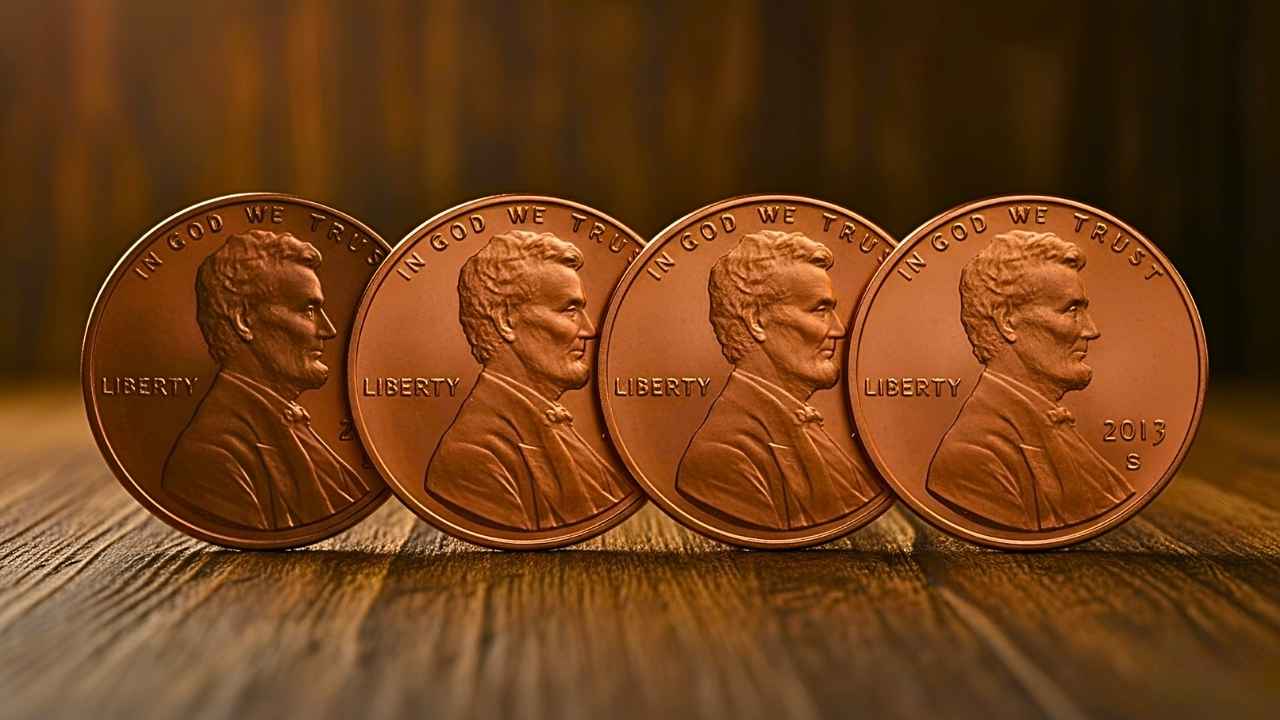
Lincoln Wheat Penny Worth $146K: The Lincoln Wheat Penny is one of the most famous and widely collected coins in American history. At first glance, it looks like a simple old penny that many people may have seen in jars, drawers, or inherited collections. However, some Lincoln Wheat Pennies are extremely rare and valuable. One particular version has shocked collectors by selling for as much as $146,000. This has sparked curiosity among coin enthusiasts and everyday people alike who wonder if they might be holding a small fortune without knowing it.
Understanding why certain Lincoln Wheat Pennies are worth so much and how to identify them can help you determine whether your old penny is ordinary or extraordinary.

What Is a Lincoln Wheat Penny
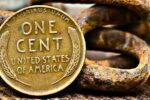
The Lincoln Wheat Penny was first introduced in 1909 to honor the 100th anniversary of Abraham Lincoln’s birth. It was the first U.S. coin to feature a real person instead of a symbolic figure. The front of the coin displays Abraham Lincoln’s profile, while the back shows two wheat stalks framing the words One Cent. This design remained in circulation until 1958, after which it was replaced by the Lincoln Memorial design.
Most Wheat Pennies were made from copper and were produced in large numbers. While many of them are worth only a few cents or a few dollars today, certain years, mint marks, and errors make some examples incredibly rare and valuable.
Why Some Lincoln Wheat Pennies Are Worth $146,000
The high value of a Lincoln Wheat Penny usually comes down to rarity, condition, and historical significance. The penny that reached the $146,000 mark is not just old, it is special.
One of the most famous and valuable Wheat Pennies is the 1943 copper penny. During World War II, the U.S. Mint switched from copper to steel to conserve copper for the war effort. However, a very small number of copper planchets from 1942 were accidentally used in 1943. As a result, a handful of 1943 pennies were struck in copper instead of steel.
Because they were not supposed to exist, these copper 1943 Wheat Pennies are among the rarest coins in American history. When found in excellent condition, they can sell for well over $100,000, with some examples reaching or exceeding $146,000 at auction.
Key Features of the $146K Lincoln Wheat Penny
Spotting a valuable Lincoln Wheat Penny requires close attention to detail. The most important feature is the date. A 1943 penny immediately deserves a closer look. Most 1943 pennies are steel and stick to a magnet. The rare copper version does not.
Color is another major clue. Steel pennies have a silver gray appearance, while copper pennies have a brown or reddish tone. If you see a 1943 penny that looks copper instead of silver, that is a strong sign it could be something special.
Weight also matters. A genuine 1943 copper penny weighs about 3.11 grams, while a steel penny weighs around 2.7 grams. Using a precise scale can help confirm whether the coin matches the expected weight.

Importance of Mint Marks
Mint marks play a big role in determining value. Lincoln Wheat Pennies were produced at three main mints: Philadelphia, Denver, and San Francisco. Coins from Philadelphia have no mint mark, while Denver coins have a D and San Francisco coins have an S.
For the 1943 copper penny, examples from all three mints exist, but they are extremely rare. Some mint versions are even more valuable than others. A 1943 copper penny with a D or S mint mark can be worth significantly more due to even lower production numbers.
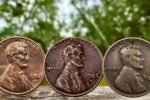
Checking the mint mark under the date on the front of the coin is essential when evaluating any Wheat Penny.
Condition and Grading Matter
Even a rare coin can lose much of its value if it is heavily damaged or worn. Collectors look for coins that are well preserved, with clear details and minimal scratches or discoloration. Coins are graded on a scale that ranges from poor to mint state.
A Lincoln Wheat Penny that sells for $146,000 is typically in excellent condition, often graded as mint state or near mint. Sharp lettering, defined wheat stalks, and a clean surface all add to the value.
If you believe you have a rare Wheat Penny, it is important not to clean it. Cleaning can damage the surface and drastically reduce its value.
Other Valuable Lincoln Wheat Pennies to Watch For
While the 1943 copper penny is the most famous, it is not the only valuable Lincoln Wheat Penny. The 1909 S VDB penny is another highly sought after coin. It was produced in limited numbers and features the initials of the designer on the reverse.
The 1914 D penny is also valuable due to its low mintage. Additionally, error coins such as doubled dies, off center strikes, or missing elements can significantly increase value.

Even if your penny is not worth $146,000, it could still be worth hundreds or thousands of dollars depending on these factors.
How to Check If Your Penny Is Authentic
Because rare coins are often counterfeited, authentication is crucial. Simple tests like using a magnet or checking weight can help, but professional verification is the safest option.

A reputable coin grading service can authenticate and grade your penny, giving you confidence in its legitimacy and value. This step is especially important if you plan to sell or insure the coin.
Avoid selling valuable coins without proper authentication, as this can lead to underpricing or disputes.
Where These Rare Pennies Are Found
Many rare Lincoln Wheat Pennies have been discovered in old collections, inherited coin jars, or even pocket change decades ago. While finding one today is unlikely, it is not impossible.
People who search through old coins, estate collections, and forgotten savings often stumble upon valuable pieces. This sense of discovery is one of the reasons coin collecting remains so popular.
Checking old pennies carefully can be both exciting and potentially rewarding.
Final Thoughts on the Lincoln Wheat Penny Worth $146K
The idea that a simple one cent coin could be worth $146,000 is both surprising and fascinating. The Lincoln Wheat Penny proves that history, rarity, and small minting mistakes can turn everyday objects into treasures.
By learning how to spot key dates, materials, mint marks, and conditions, you increase your chances of identifying a valuable coin. Even if you never find the legendary 1943 copper penny, exploring old coins can deepen your appreciation for history and craftsmanship.