
Rare 1976 Bicentennial Quarter Valued at $4M: The 1976 Bicentennial Quarter is one of the most fascinating coins in American numismatics. Struck to celebrate the 200th anniversary of the United States’ independence, the Bicentennial Quarter features a unique reverse design, which depicts a drummer boy surrounded by 13 stars symbolizing the original Thirteen Colonies. While most of these coins are readily available in circulation, a rare and highly valuable version has captured the attention of collectors and investors alike. In fact, a specific 1976 Bicentennial Quarter was recently valued at an astounding $4 million, making it one of the most valuable coins in the modern era. This guide will explain how to identify this rare coin and what makes it so valuable.
The History Behind the 1976 Bicentennial Quarter
In 1976, the United States commemorated the 200th anniversary of the signing of the Declaration of Independence. To mark the occasion, the U.S. Mint released a special series of coins, including the Bicentennial Quarter. The quarter’s design was changed to reflect the nation’s patriotic spirit, featuring a distinctive reverse showing a drummer boy, along with 13 stars, signifying the 13 original colonies.

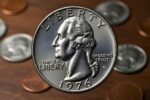
The obverse design remained unchanged from the traditional Washington Quarter, featuring a portrait of George Washington. This design was used for the regular circulation quarters from 1932 onward. However, for 1976, the special Bicentennial issue saw a surge in interest due to its historical significance, marking the United States’ Bicentennial celebration.
While millions of these quarters were minted and circulated, it’s the rare variations and minting errors that have drawn the attention of collectors. Some of these coins have now reached prices that are far beyond their original face value.
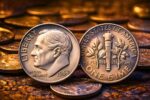
What Makes the 1976 Bicentennial Quarter Rare?
Most 1976 Bicentennial Quarters are not particularly rare and can be found easily in circulation or among collections. However, there are certain features or errors that can make a particular coin highly valuable. The main factors that influence the value of a 1976 Bicentennial Quarter are:
- Minting Errors – Like many coins, the 1976 Bicentennial Quarter saw its share of minting errors. These errors can occur in the die, during the striking process, or due to misalignment, and can dramatically increase a coin’s value.
- Proof Coins – In addition to the standard circulation coins, the U.S. Mint also released proof versions of the Bicentennial Quarter for collectors. These coins were specially minted with a polished finish and are often valued higher than regular circulation coins, particularly in pristine condition.
- Unique Characteristics – There are specific characteristics or anomalies that make certain 1976 Bicentennial Quarters rare. These can include rare die varieties, uncirculated examples, or coins in exceptional grades that have been preserved in top condition.
In 2026, the key to understanding the rarity of the 1976 Bicentennial Quarter lies in identifying these specific features and distinguishing the valuable coins from the more common ones.
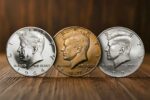
The $4 Million 1976 Bicentennial Quarter
The coin that sparked the fascination of the numismatic world is a 1976 Bicentennial Quarter that sold for an eye-popping $4 million in a private sale. This coin is a rare example of a 1976-D (Denver Mint) Bicentennial Quarter with an unexpected and unique error that made it a one-of-a-kind specimen. In fact, this coin has been dubbed the “King of Bicentennial Quarters.”
The $4 million price tag attached to this particular coin was due to a combination of factors. Firstly, the coin was a perfect example of a rare error—a misstruck coin with an off-center design that made the drummer boy on the reverse appear dramatically misaligned. This unique error, coupled with its perfect grade, made the coin extremely desirable among collectors. Only a handful of coins in the entire series share this error, and as a result, it became a highly sought-after treasure for numismatic enthusiasts.
What’s remarkable about this specific coin is that while most Bicentennial Quarters are worth just a few dollars in average condition, the combination of rarity, error, and grade has pushed the value of this coin to unimaginable heights.
How to Identify the Rare 1976 Bicentennial Quarter
If you’re looking to determine whether you have a rare 1976 Bicentennial Quarter in your collection, it’s important to know exactly what to look for. Below is a step-by-step guide to identifying the features that could indicate a valuable coin.

1. Look for Mint Marks
The 1976 Bicentennial Quarter was minted in three locations: Philadelphia (no mintmark), Denver (mintmark “D”), and San Francisco (mintmark “S”). While the vast majority of coins were minted in Philadelphia and Denver, quarters from San Francisco (especially proof versions) tend to be more highly prized.
Pay attention to the mintmark located on the obverse side of the coin, just below the date. A mintmark can significantly affect the rarity and value of the coin, particularly if it’s from the San Francisco Mint, where fewer coins were produced.
2. Examine the Condition of the Coin
The condition of the coin, often referred to as its grade, plays a major role in determining its value. Coins that are in excellent condition with minimal wear or scratches are more valuable than those that have been heavily circulated. Coins graded as “MS-65” or higher (Mint State) can fetch much higher prices, especially if they are certified by professional grading companies like PCGS or NGC.
If your coin is in pristine condition with no visible wear on the high points of the design, it may be worth more than the average coin. Proof versions, which were specially made for collectors, often come in much higher quality and can be extremely valuable.
3. Look for Minting Errors
Minting errors can turn an otherwise common coin into a rare find. For example, the 1976 Bicentennial Quarter is known for errors such as:
- Off-center strikes: Where the coin is struck off-center, creating an uneven design.
- Double dies: Where the design appears to be doubled, usually in the lettering or on the reverse.
- Misaligned dies: Where the design is not centered on the coin, giving it a “tilted” appearance.
If you have a 1976 Bicentennial Quarter that shows any of these features, you could be holding a coin that has a significantly higher value than its face value. Take it to a professional coin dealer or numismatic expert for a closer inspection.
4. Check for Uncirculated Coins
Uncirculated coins are those that have never been in circulation and have been carefully preserved in near-perfect condition. Many of the 1976 Bicentennial Quarters minted for collectors were released as part of proof sets or uncirculated sets, and these coins are highly desirable. If you find a 1976 Bicentennial Quarter in perfect condition, especially one from a proof set, it could be worth far more than the typical circulated versions.
5. Special Die Varieties
Occasionally, the U.S. Mint produces coins with special die varieties—slightly altered designs that make certain coins stand out. For the 1976 Bicentennial Quarter, there are some known varieties in the details of the drum, the stars, or even the positioning of the design elements. These subtle differences can make a huge difference in value, and they are highly sought after by collectors.
How Much Could Your 1976 Bicentennial Quarter Be Worth?
The value of a 1976 Bicentennial Quarter depends on several factors: its mint mark, its condition, any minting errors, and its rarity. In general, circulated 1976 Bicentennial Quarters are worth very little—usually only their face value or slightly more. However, coins in proof or uncirculated condition, especially those with minting errors, can fetch anywhere from $10 to several hundred dollars, depending on their rarity and grade.
The rarest and most valuable versions—such as those with major errors or special die varieties—can be worth thousands or even millions. The $4 million sale of the misstruck 1976 Bicentennial Quarter serves as a reminder that rare coins can skyrocket in value, often defying expectations.

Conclusion
The 1976 Bicentennial Quarter is an iconic coin that commemorates an important moment in American history. While most of these coins are worth only a few dollars, there are rare versions that can command staggering prices—some reaching as high as $4 million. By knowing how to identify key characteristics, such as mint marks, condition, and potential minting errors, you could uncover a rare treasure hiding in your collection. If you think you have a valuable 1976 Bicentennial Quarter, it’s always worth getting it professionally appraised to ensure you don’t miss out on a potential fortune.