
Rare Lincoln Wheat Penny Valued at $815K: The Lincoln Wheat Penny, first introduced in 1909, is one of the most iconic coins in American numismatics. For decades, these copper coins have circulated in change, passed through countless hands, and been tucked away in drawers. While many of these pennies are worth just one cent, there are rare examples that have become prized treasures. Among these rare specimens, one Lincoln Wheat Penny has stunned collectors and experts alike by selling for an astounding $815,000. But could you have one of these valuable pennies sitting in your collection or even in your pocket? In this guide, we’ll take a deep dive into what makes a Lincoln Wheat Penny so valuable and how you can spot the rare ones worth a fortune.
What Makes the Lincoln Wheat Penny So Special?
The Lincoln Wheat Penny is beloved by collectors for a number of reasons. First introduced in 1909 to commemorate the 100th anniversary of Abraham Lincoln’s birth, the coin features the famous portrait of Lincoln on the obverse and two sheaves of wheat on the reverse. Designed by Victor David Brenner, the wheat design was used until 1958, after which it was replaced by the Lincoln Memorial design. The simplicity and beauty of the Wheat Penny design have made it a favorite among collectors, but it’s the rare and error coins that have truly captured the attention of numismatists.
While many of these pennies are still in circulation or found in old coin jars, some have been kept in pristine condition, while others have distinctive features that make them extremely rare and valuable. A rare Lincoln Wheat Penny doesn’t necessarily have to be old, but it must meet certain criteria, such as a low mintage, a unique error, or a remarkable state of preservation.
The $815K Lincoln Wheat Penny
The coin that set the record for the highest sale price of a Lincoln Wheat Penny is the famous 1943 copper Lincoln Wheat Penny. Normally, pennies from 1943 were made from steel due to wartime copper shortages. However, a small number of 1943 pennies were mistakenly struck in copper, creating an incredibly rare error. Only a few of these copper pennies are known to exist, and one such coin was sold at auction in 2019 for a jaw-dropping $815,000.
What makes this particular penny so valuable? Aside from its rarity, the 1943 copper penny is a genuine error coin, as it was not meant to be produced in copper at all. The coins were minted using steel blanks, but a few copper blanks from the previous year (1942) were accidentally used, resulting in a series of error coins. These copper pennies have since become a holy grail for coin collectors, and finding one is the ultimate dream for many numismatists.
How to Spot a Rare Lincoln Wheat Penny
Now that you know about the record-breaking 1943 copper Lincoln Wheat Penny, you might be wondering how to identify other rare and valuable Lincoln Wheat Pennies. While the 1943 copper penny is among the most famous, there are a number of other rarities within the series. Here’s what to look for when assessing the value of a Lincoln Wheat Penny.
1. Year of Mintage
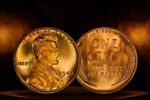
Certain years are far rarer than others. For example, the 1909-S VDB Lincoln Wheat Penny is one of the most sought-after coins in the series. The “VDB” refers to the initials of the coin’s designer, Victor David Brenner, which were initially placed on the reverse of the coin. Due to public outcry, the Mint removed the initials shortly after the coin was released. The 1909-S VDB is extremely rare, with fewer than 500,000 coins minted. A well-preserved example can fetch tens of thousands of dollars, while a coin in near-mint condition could be worth much more.
2. Mint Marks
The mint mark on a coin indicates where it was produced. Lincoln Wheat Pennies minted in San Francisco (marked with an “S”) and Denver (marked with a “D”) tend to be more valuable than those minted in Philadelphia (no mint mark). Some years, such as 1922 and 1931, have particularly low mintages from these branches, and coins with these mint marks are highly collectible.

3. Condition
As with any coin, condition is a major factor in determining value. Coins in good condition are much more valuable than those that are heavily worn or corroded. The highest grades for Lincoln Wheat Pennies are “MS-65” or “MS-66” (Mint State), meaning the coin has no noticeable flaws and has been well-preserved. A Lincoln Wheat Penny in near-perfect condition can be worth hundreds or even thousands of dollars, depending on the year and mint mark.
4. Error Coins
Error coins are highly desirable and can significantly increase the value of a Lincoln Wheat Penny. The most famous error in the Lincoln Wheat Penny series is the 1943 copper penny, but there are other notable errors to look out for, such as double die errors, misstrikes, and off-center strikes. For example, a 1955 Lincoln Wheat Penny with a double die error (where the design appears to be doubled) is worth much more than a regular 1955 penny.
5. Die Cracks and Other Features
Sometimes, die cracks, chips, or other minor imperfections that occur during the minting process can make a penny more valuable. These types of errors are not as rare as others, but they can still command a premium depending on their uniqueness. Coins with prominent die cracks or unusual features are often of interest to error coin collectors and can fetch higher prices than typical pennies.
The Importance of Professional Grading
If you think you’ve found a rare Lincoln Wheat Penny, it’s crucial to have it professionally graded. Coins are graded based on their condition, and the grading system can range from “Poor” to “Mint State.” A coin that is graded by a professional grading service, such as the Numismatic Guaranty Corporation (NGC) or the Professional Coin Grading Service (PCGS), will have an objective assessment of its quality and authenticity, making it easier to determine its value.
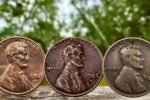
For example, a coin that appears to be in excellent condition may not be graded highly due to small imperfections that aren’t immediately visible to the naked eye. Professional grading ensures that you have an accurate understanding of the coin’s worth, and it provides potential buyers with confidence if you choose to sell the coin.
How Much Could Your Lincoln Wheat Penny Be Worth?
The value of your Lincoln Wheat Penny depends on several factors, including its year, mint mark, condition, and whether it has any errors. Most common Lincoln Wheat Pennies are worth only a few cents, but rarities like the 1909-S VDB, 1943 copper penny, and 1955 double die error can be worth hundreds, thousands, or even hundreds of thousands of dollars.
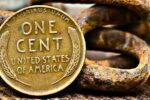
To get a general idea of the value of your penny, you can check online auction sites, coin value guides, or visit a professional coin dealer. However, remember that the true value of a coin can fluctuate over time based on market demand, so it’s always a good idea to get a professional opinion if you think you have a rare find.
Conclusion
The world of coin collecting is full of surprises, and the Lincoln Wheat Penny is a great example of how a humble coin can be worth a fortune. Whether you’re casually collecting coins or actively hunting for rare treasures, understanding what makes a Lincoln Wheat Penny valuable is crucial. Coins like the 1943 copper penny, 1909-S VDB, and 1955 double die error are highly prized by collectors, and owning one could be a dream come true.
So, could you have a rare Lincoln Wheat Penny worth a small fortune? It’s certainly possible! Take a closer look at your pennies, get them professionally graded, and you might just discover that you’ve got a numismatic treasure on your hands.