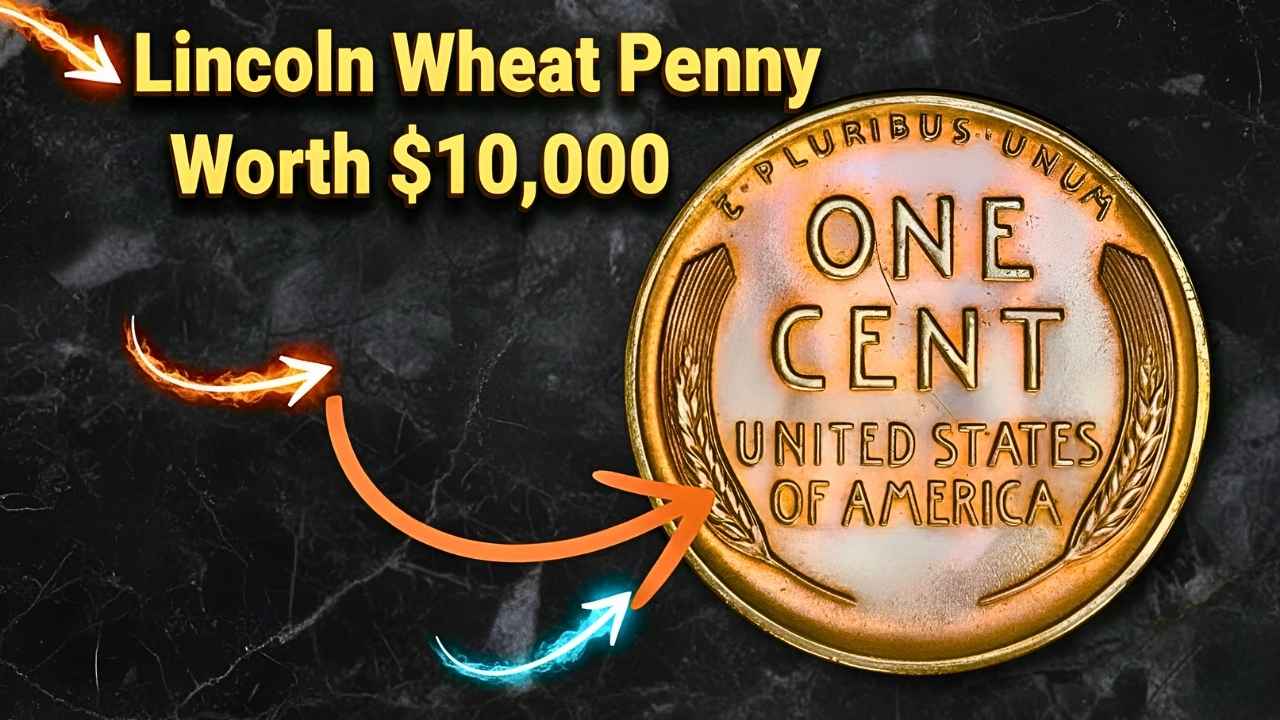
Lincoln Wheat Penny Worth $10,000: The Lincoln Wheat Penny is one of the most beloved coins in American history. First minted in 1909 to honor the centennial of Abraham Lincoln’s birth, it quickly became a symbol of national pride. Designed by Victor David Brenner, the coin featured Lincoln’s profile on the obverse and two wheat stalks on the reverse. This design remained in circulation until 1958, when it was replaced by the Lincoln Memorial design. Despite its humble face value of one cent, certain rare versions of the Wheat Penny have become incredibly valuable, with some worth as much as 10,000 dollars.
Why the Wheat Penny Is So Popular Among Collectors
Collectors are drawn to the Wheat Penny for several reasons. Its long history, iconic design, and connection to Abraham Lincoln make it a favorite. The coin was produced during a period of great change in the United States, and it reflects the craftsmanship of early twentieth-century minting. Beyond its historical significance, the Wheat Penny is also accessible. Millions were produced, meaning that many people can still find them in old collections or even tucked away in jars of change. The possibility of discovering a rare and valuable penny adds an element of excitement to collecting.

What Makes a Wheat Penny Valuable
Not all Wheat Pennies are worth thousands of dollars. Most are common and hold only modest collector value. However, certain factors can elevate a penny’s worth dramatically. These include rarity, minting errors, and condition. Coins produced in limited numbers or with unusual characteristics are highly sought after. For example, the 1909-S VDB penny, minted in San Francisco with the designer’s initials prominently displayed, is one of the most famous rarities. Similarly, pennies with double die errors or off-center strikes can command high prices. When rarity combines with pristine condition, the value of a coin can soar.
Identifying Rare Wheat Pennies
Collectors often ask how they can tell if their Wheat Penny is one of the rare and valuable ones. Identification requires careful observation and sometimes professional appraisal. Here are some tips to help you spot a potentially valuable coin:
- Look for mint marks. Coins minted in San Francisco or Denver often carry special significance.
- Check for errors. Double die strikes, off-center strikes, or coins struck on the wrong planchet can be extremely valuable.
- Examine the date. Certain years, such as 1909, 1914, and 1931, are known for rare versions.
- Assess the condition. Coins in pristine, uncirculated condition are worth far more than those that show wear.
By paying attention to these details, you can begin to separate ordinary Wheat Pennies from those that might be worth a fortune.
The Role of Coin Grading
Professional coin grading plays a crucial role in determining the value of rare coins. Grading services evaluate coins based on their condition, authenticity, and rarity. A Wheat Penny graded at the highest levels, such as Mint State 70, can command extraordinary prices. Without grading, it is difficult to establish the true worth of a coin, especially when dealing with potential rarities worth thousands of dollars. Collectors often rely on trusted grading companies to ensure that their coins are properly evaluated and recognized in the marketplace.

Famous Rare Wheat Pennies
Several Wheat Pennies have achieved legendary status among collectors. The 1909-S VDB penny is perhaps the most famous, with only a limited number produced before the initials were removed. The 1914-D penny is another rarity, known for its scarcity and high value. The 1922 “No D” penny, which lacks the Denver mint mark due to a striking error, is also highly prized. Each of these coins represents a unique chapter in numismatic history and serves as a reminder of the surprises that can emerge from everyday currency.
Stories of Incredible Discoveries
There are countless stories of people stumbling upon rare Wheat Pennies in unexpected places. Some have found valuable coins in old collections, inherited from relatives, or even in circulation. These tales fuel the excitement and hope that anyone could discover a penny worth thousands. While the odds are slim, the possibility keeps collectors and casual enthusiasts searching through their change with renewed interest. The thrill of discovery is part of what makes coin collecting such a captivating hobby.

The Market for Rare Coins
The coin collecting market is vast and dynamic. Rare coins like the Wheat Penny worth 10,000 dollars attract attention not only from collectors but also from investors. Auctions often see fierce bidding wars for such treasures, driving prices higher. The market is influenced by factors such as rarity, demand, historical significance, and condition. For those who own rare coins, the market offers opportunities to turn a small piece of metal into a life-changing sum of money. For others, it is a chance to own a piece of history that few can claim.
Misconceptions About Wheat Pennies
With stories of valuable coins circulating, misconceptions are common. Many people believe that every Wheat Penny is worth a fortune, which is not true. The vast majority of these coins are common and hold only sentimental or modest collector value. Another misconception is that rarity alone guarantees high value. In reality, condition, demand, and provenance also play significant roles. Understanding these nuances helps collectors avoid disappointment and focus on coins that truly have potential.

Tips for Aspiring Collectors
If you are intrigued by the idea of owning rare coins, there are practical steps you can take to begin your journey. Start by learning about coin history and designs. Familiarize yourself with mint marks, errors, and grading standards. Join coin clubs or online communities where enthusiasts share knowledge and experiences. Visit coin shows and auctions to see rare coins firsthand. Most importantly, handle coins with care and store them properly to preserve their condition. Collecting coins is not just about potential wealth but also about appreciating history and craftsmanship.
The Cultural Significance of the Wheat Penny
Beyond their monetary value, Wheat Pennies hold cultural importance. They remind us of a pivotal era in American history and the pride of a nation honoring Abraham Lincoln. The wheat stalks on the reverse symbolize prosperity and growth, while Lincoln’s profile on the obverse reflects leadership and integrity. Even today, these coins evoke nostalgia and patriotism, making them cherished keepsakes for many families.
Conclusion
The Lincoln Wheat Penny worth 10,000 dollars is more than just a coin. It is a symbol of history, rarity, and the enduring fascination with collecting. While most Wheat Pennies are common, the possibility of finding one of the rare treasures keeps the excitement alive. By learning how to identify valuable coins, understanding the role of grading, and appreciating the cultural significance, collectors and enthusiasts can deepen their connection to this remarkable piece of history. Whether you are searching through your change or building a serious collection, the Wheat Penny reminds us that sometimes extraordinary value can be hidden in the most ordinary places.